
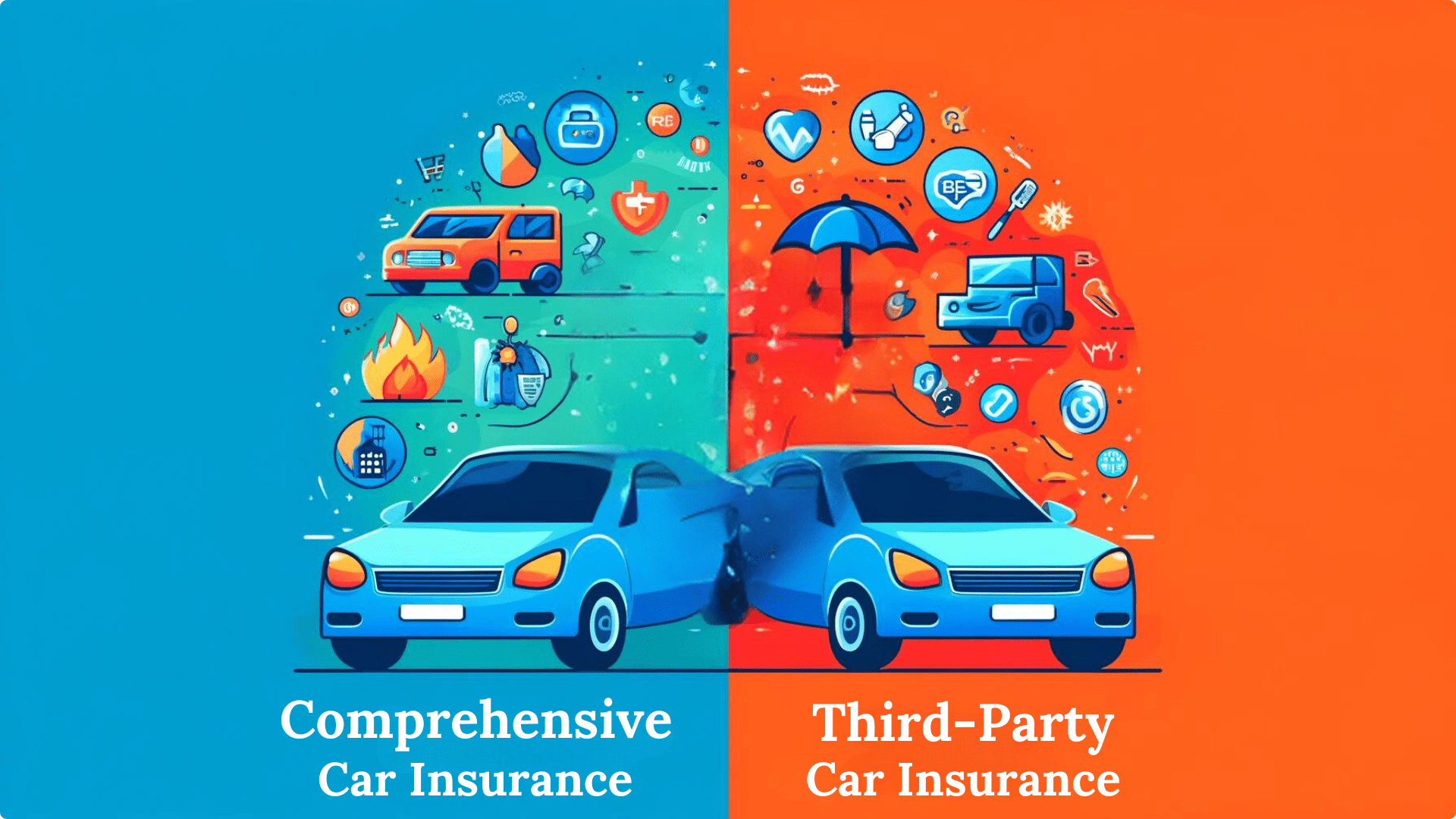
Choosing the right car insurance is crucial for financial protection and peace of mind. Many drivers, especially beginners, get confused between comprehensive vs third-party car insurance. Both types serve different purposes, costs, and levels of coverage.
This guide explains the differences, benefits, and how to choose the best insurance for your car.
What Is Third-Party Car Insurance?
Third-party insurance is the most basic form of car insurance. It covers damages or injuries you cause to other people, vehicles, or property.
Key Features:
- Legally required in most countries
- Covers other parties’ losses, not your car
- Cheapest option
Third-party insurance is a good start for budget-conscious or old car owners.
What Is Comprehensive Car Insurance?
Comprehensive insurance covers both your car and third-party damages. It includes accidents, theft, natural disasters, and other unexpected events.
Key Features:
- Covers your car and other vehicles
- Covers theft, fire, natural disasters
- Higher premium than third-party
- Optional add-ons for extra protection
Comprehensive insurance is ideal for new or expensive cars.
Comprehensive vs Third-Party – Key Differences
| Feature | Comprehensive Insurance | Third-Party Insurance |
|---|---|---|
| Coverage | Own car + third-party | Only third-party damages |
| Premium | Higher | Lower |
| Protection | Extensive | Limited |
| Add-Ons | Available | Rarely available |
| Legal Requirement | Optional (for new cars) | Mandatory in most countries |
| Claim Process | More complex | Simpler |
Pros and Cons of Comprehensive Car Insurance
Pros:
- Covers damages to your own car
- Includes natural disasters, theft, fire
- Optional add-ons like roadside assistance
- Peace of mind
Cons:
- Higher premium
- Deductibles may apply
- More documentation for claims
Pros and Cons of Third-Party Car Insurance
Pros:
- Cheapest option
- Easy to renew
- Covers legal requirements
Cons:
- Doesn’t cover your car
- Limited protection
- Not suitable for new or expensive cars
Who Should Choose Comprehensive Car Insurance?
- Owners of new or expensive cars
- Drivers in areas prone to accidents or natural disasters
- People seeking peace of mind and full coverage
- Those willing to pay higher premiums for better protection
Who Should Choose Third-Party Car Insurance?
- Owners of old or low-value cars
- Budget-conscious drivers
- Drivers who rarely use the car
- Those only needing legal coverage
Tips to Choose Between Comprehensive vs Third-Party Insurance
- Assess your car’s value
- Evaluate risk factors (location, driving habits)
- Compare premiums vs coverage
- Check insurer claim history
- Decide based on budget and protection needs
Common Mistakes to Avoid ❌
- Choosing cheapest plan without coverage review
- Ignoring natural disaster or theft risks
- Not checking claim settlement ratio
- Forgetting optional add-ons for extra protection
Final Thoughts
Choosing between comprehensive vs third-party car insurance depends on your car, budget, and risk tolerance. Comprehensive insurance is ideal for new or expensive cars, while third-party insurance meets legal requirements at lower cost. Always compare plans, coverage, and claim support before making a decision.