
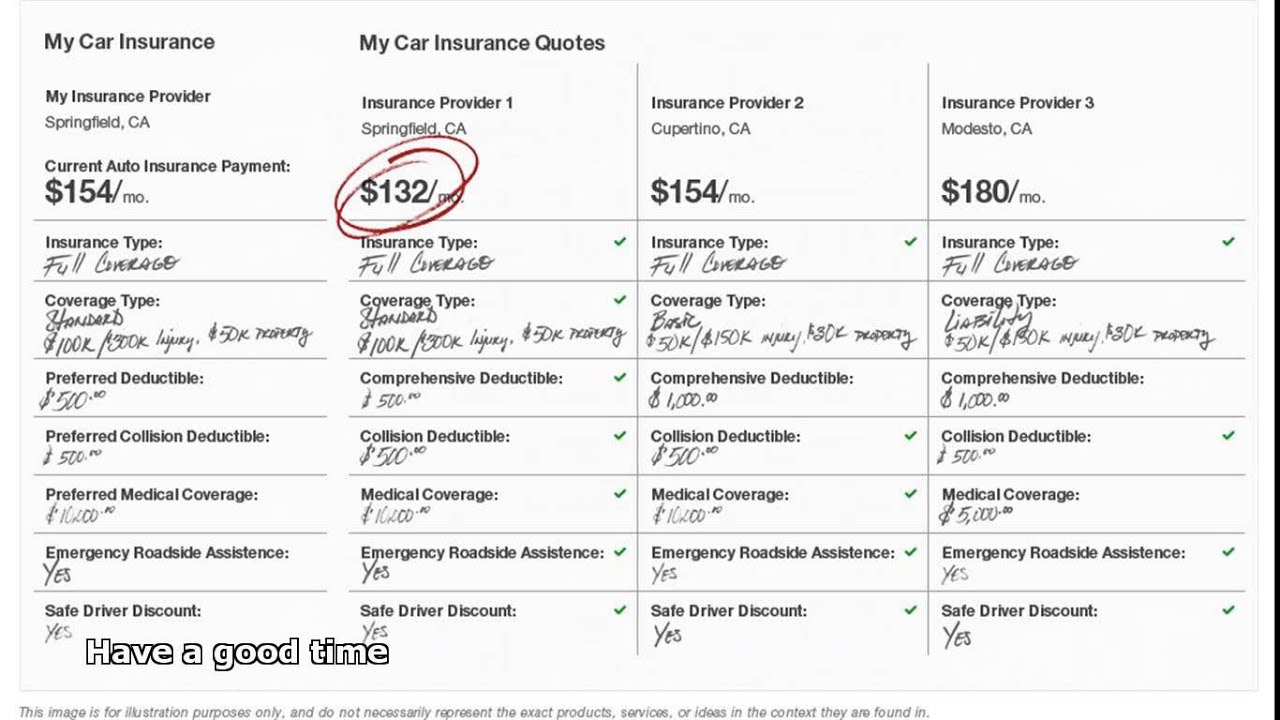
Choosing insurance without comparing plans is one of the biggest mistakes people make. Many beginners end up paying more money for less coverage simply because they don’t understand how insurance comparison works.
This insurance comparison guide will help you compare insurance plans step by step, avoid common mistakes, and choose the best policy for your needs.
What Is Insurance Comparison?
Insurance comparison means checking multiple insurance plans side by side to find the one that offers:
- Better coverage
- Lower cost
- Reliable claim support
- Suitable benefits
Instead of buying the first plan you see, comparison helps you make a smart decision.
Why Insurance Comparison Is Important
Comparing insurance plans helps you:
- Save money
- Get better coverage
- Avoid hidden charges
- Understand policy terms
- Choose the right provider
Two plans with the same price can have very different benefits.
Key Factors to Compare Insurance Plans
Before buying any insurance, always compare these factors.
1. Coverage Benefits
Coverage is the most important part of any insurance plan.
What to Check:
- What is covered
- What is not covered
- Maximum coverage limit
Always choose coverage based on your needs, not just price.
2. Premium Cost
The premium is the amount you pay regularly.
Tips:
- Don’t choose the cheapest plan blindly
- Balance cost with coverage
- Check monthly vs yearly payments
A slightly higher premium can offer much better protection.
3. Policy Exclusions
Exclusions are situations where insurance will not pay.
Examples:
- Pre-existing conditions
- Certain accidents
- Specific treatments
Always read exclusions carefully to avoid surprises.
4. Deductibles
A deductible is the amount you pay before insurance starts covering costs.
Important Points:
- Higher deductible = lower premium
- Lower deductible = higher premium
Choose a deductible you can afford in emergencies.
5. Claim Process & Settlement Ratio
A good insurance plan is useless if claims are difficult.
Check:
- Claim settlement ratio
- Claim processing time
- Customer reviews
Fast and fair claim support is very important.
6. Insurance Provider Reputation
Always choose a trusted insurance company.
Look For:
- Years in business
- Customer feedback
- Financial stability
Reliable companies handle claims better.
How to Compare Health Insurance Plans
Health insurance needs careful comparison.
Compare These Points:
- Hospital network
- Cashless treatment
- Coverage for medicines
- Emergency services
Health insurance should cover major medical expenses.
How to Compare Car Insurance Plans
Car insurance comparison is simpler.
Check:
- Third-party vs comprehensive coverage
- Accident protection
- Theft coverage
- Roadside assistance
Choose based on how often and where you drive.
How to Compare Life Insurance Plans
Life insurance is long-term.
Focus On:
- Coverage amount
- Policy duration
- Premium affordability
- Claim history
Term insurance is usually best for beginners.
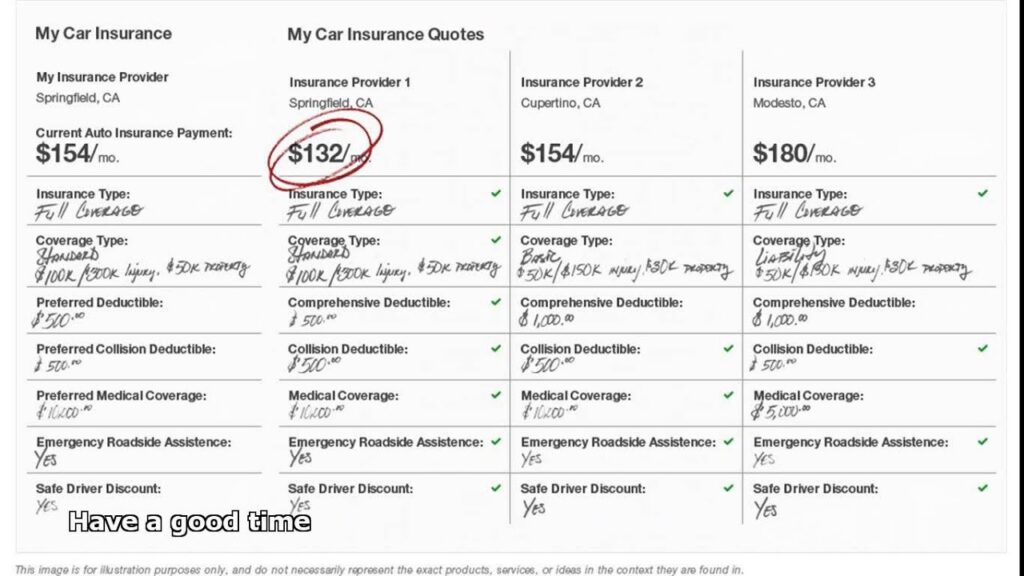
Online vs Offline Insurance Comparison
Online Comparison:
- Faster
- Transparent
- Easy to compare multiple plans
- Often cheaper
Offline Comparison:
- Personal assistance
- Limited options
- Often higher cost
Online comparison is better for beginners.
Common Insurance Comparison Mistakes ❌
- Comparing only price
- Ignoring exclusions
- Not checking claim support
- Choosing unnecessary add-ons
- Skipping policy details
Smart comparison saves money and stress.
Best Tools for Insurance Comparison
You can compare insurance using:
- Official insurance websites
- Comparison platforms
- Insurance calculators
Always verify information from official sources.
When Should You Compare Insurance Plans?
Compare insurance:
- Before buying a new policy
- Before renewing insurance
- When your life situation changes
Regular comparison helps you stay updated.
Final Thoughts
This insurance comparison guide helps you understand how to compare insurance plans correctly. The right comparison can save you money, improve coverage, and give peace of mind.
Never rush when buying insurance—compare, analyze, and choose wisely.